
Stress Management Techniques for Busy Professionals
Introduction
The alarm goes off, the inbox is already overflowing, and the day has barely started. Breakfast happens on the go, traffic eats up the quiet time, and by the first bell or the first client call, the heart is already racing. For many teachers and small business owners, this rhythm feels normal, yet the body quietly pays the price, which is exactly where simple stress management techniques come in.
Stress has become so common that many people shrug it off as part of being “responsible” or “driven.” Yet that constant tight chest, sore neck, and buzzing mind are not badges of honor. Without clear stress management techniques, the same habits that keep things running at school or in a business slowly drain focus, patience, and health. Understanding effective strategies to deal with stress is essential for maintaining both professional performance and personal well-being.
This is not just about mindset. Stress lives in the body and in the spaces where time is spent. Calm thoughts are hard to keep when the shoulders are tight, the home is cluttered, and there is no real place to unwind. That is why any set of stress management techniques works best when daily routines, physical habits, and the home environment support them.
“It’s not stress that kills us, it is our reaction to it.”
— Hans Selye, endocrinologist and stress researcher
In this guide, the focus is on practical, realistic stress management techniques that fit into busy school days and long workweeks. There will be ways to spot personal stress triggers, a clear framework for handling tough situations, simple lifestyle shifts, and quick mind-body practices. Along the way, Escalone appears as a partner in creating a home that actually helps the body relax, with massage tools that turn a corner of the living room into a small retreat. By the end, it becomes much easier to design a life where stress shows up, but does not run the entire show.
What Is Stress And Why Does It Impact Your Daily Performance?

Stress is the body’s physical and emotional response to anything that feels demanding, new, or threatening. A sudden deadline, a noisy classroom, or a last-minute order change can all trigger that rush of adrenaline. Short bursts of this reaction can be helpful and even support many stress management techniques, because they sharpen focus and give a quick burst of energy.
The problem appears when that “on” switch never really turns off. This long-term state is called chronic stress. The body keeps acting as if danger is around every corner, even when someone is only answering emails or grading papers. At that point, even the best stress management techniques struggle, because the nervous system is tired and overloaded.
Inside the body, stress activates the fight-or-flight response. Heart rate climbs, breathing speeds up, muscles tense, and stress hormones like cortisol rise. For teachers, this might show up as constant tension during classroom management, decision fatigue during report card season, or irritability in meetings. For small business owners, it can mean heavy pressure around payroll, constant problem-solving, and waking up at night worrying about cash flow, no matter how many stress management techniques they try.
Over time, chronic stress can affect:
-
Physical health: headaches, muscle pain, stomach trouble, and poor sleep
-
Emotional balance: mood swings, anxiety, low patience, and a short fuse
-
Mental clarity: foggy thinking, forgetfulness, and slower decision-making
Recognizing these signs is the first and most important step. Once stress is seen for what it is, targeted stress management techniques can start to repair the damage and reduce new problems before they build up.
How To Identify Your Personal Stress Triggers (The Foundation Of Management)
Many people in schools and small businesses quietly accept stress as “just part of the job.” That belief makes it harder to use any stress management techniques, because it treats stress like bad weather instead of something that can be influenced. In reality, some pressure comes from outside, but a surprising amount is tied to habits like procrastination, perfectionism, and weak boundaries.
Personal responsibility does not mean blaming yourself for feeling overwhelmed. It means noticing where daily choices add extra strain. Waiting until the night before to finish grading, saying yes to every committee, or accepting every rush job from clients are classic examples. Without honest reflection, even the smartest stress management techniques feel like band-aids on top of self-created chaos.
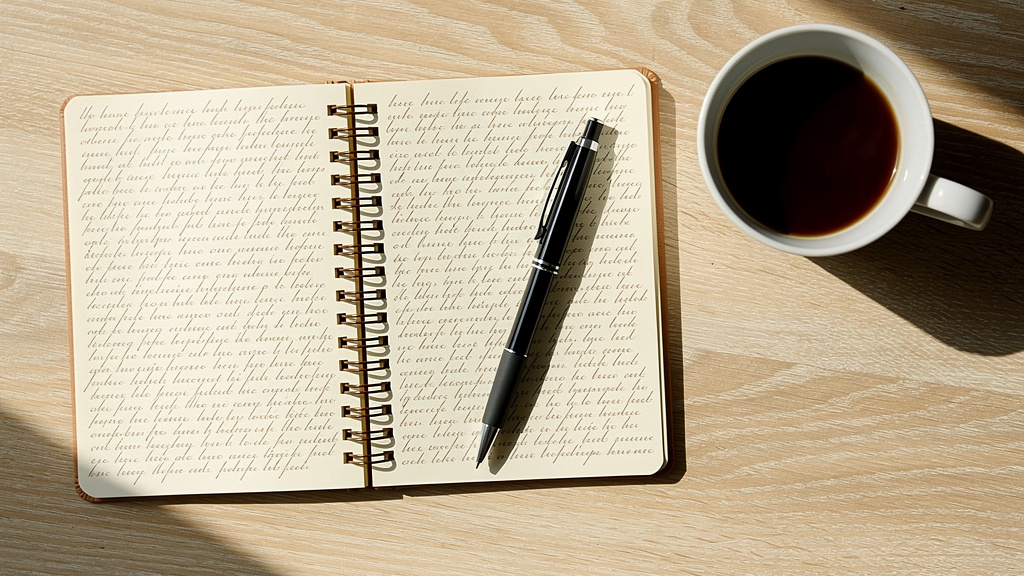
A powerful way to see what is really going on is a simple stress journal. Whenever stress hits, write down:
-
What happened
-
How the body reacted
-
What emotions came up
-
How you responded
-
What you did to cope
Over a week or two, this turns vague tension into a clear map that makes stress management techniques much easier to match to real-life patterns.
For an educator, entries might show a spike in tension before parent-teacher conferences, during noisy group work, or near grading deadlines. Research on stress management methods to improve student well-being shows that educators who track their stress patterns are better equipped to maintain both their own health and create supportive learning environments. For a business owner, the pattern might center on checking bank accounts, dealing with certain clients, or staff scheduling. These notes make it clear which stressors are changeable and which are not, which is key for choosing the right stress management techniques.
When those patterns are visible, overwhelm stops feeling like a fog. Instead, it becomes data. That awareness is the foundation of every other step in this article and makes the following stress management techniques far more effective.
The 4 A’s Framework: Practical Strategies For Every Stressor
Avoid Unnecessary Stress (Setting Boundaries That Protect Your Energy)
Not every stressful situation is required or helpful. One of the most powerful stress management techniques is simply avoiding what does not need to be on the plate. This starts with learning to say “no” to extra tasks that stretch time and energy too far, which is especially hard for helpers and people-pleasers.
A teacher might say, “I appreciate the invite, but I cannot join another after-school committee this term.” A business owner might respond, “That deadline is too tight for us to do quality work. Here is a realistic date that we can meet.” Clear answers like these protect energy without burning bridges, and they support other stress management techniques by stopping overload before it starts.
Avoiding stress can also mean:
-
Spending less time with people who constantly complain or stir conflict
-
Cutting back on unnecessary meetings or long message threads
-
Turning off news alerts that spike anxiety
-
Choosing a quieter commute when possible
-
Decluttering a desk so that important items are easy to find
Even small changes of this kind remove daily friction.
“Daring to set boundaries is about having the courage to love ourselves, even when we risk disappointing others.”
— Brené Brown
Avoidance is not running away from real problems. It is strategic energy management. By stepping back from what is not essential, there is more space for the work and relationships that actually matter, and more room for other stress management techniques to work well.
Alter The Situation (Communication Skills That Change Dynamics)
When a stressor cannot be skipped, the next option is to try changing it. Many stress management techniques focus on inner calm, but sometimes the real game-changer is speaking up. Assertive, respectful communication can reshape repeated problems at work or home.
Instead of staying silent, a teacher might say, “I feel overwhelmed when last-minute tasks are added to my plate. Can we plan these a week ahead so I can fit them into my schedule?” A business owner might share, “When invoices are paid late, it puts a lot of stress on our team. Could we agree on a clearer payment schedule?” Both are stress management techniques that aim to shift how others act without starting a fight.
Compromise is part of this. Maybe a deadline moves partway, or a noisy class routine is adjusted but not removed. Time management also fits here. Planning the day, grouping similar tasks, breaking large projects into pieces, and delegating when possible are all stress management techniques that alter the shape of the workload itself.
Asking for help or clarification is not weakness. It is another way to alter situations so they are more manageable. Each changed routine or clearer conversation takes pressure off the nervous system and makes other stress management techniques easier to practice.
Adapt Your Perspective (Cognitive Reframing Techniques)
Sometimes, a situation simply will not change, no matter how many emails are sent or meetings are held. In those moments, stress management techniques that work on thinking patterns become vital. Cognitive reframing means choosing to look at the same event through a different lens.
A useful question is, “Will this matter in a month or a year?” That thought can shrink minor annoyances back down to size. Another shift is letting go of perfection. Teachers and business owners often put intense pressure on themselves to get everything flawless, which makes simple tasks feel heavy. Accepting “good enough” is one of the more freeing stress management techniques.
Gratitude lists also change perspective. Writing three good things that happened in a day, no matter how small, pulls the mind away from constant problem scanning. Seeing a tough student as a chance to try new teaching strategies or viewing a demanding client as a test of better systems are real-world examples of reframing that work alongside other stress management techniques.
Accept What You Cannot Control (Finding Peace With Uncertainty)
There are stressors that no one can control, including policy changes, economic shifts, or sudden illness. Fighting these realities burns energy without changing anything. Stress management techniques that focus on acceptance help stop that struggle.
Acceptance does not mean liking what is happening. It means focusing on responses instead of trying to bend reality. Choosing self-care during a hard season, asking for support, and allowing yourself to grieve are all valid stress management techniques when life feels bigger than any to-do list.
Forgiving yourself for past choices and forgiving others for hurting or disappointing you also softens long-term stress. When acceptance feels too heavy to handle alone, reaching out to a trusted person or professional is wise. That step fits right in with the wider set of stress management techniques described in this guide.
Build Your Physical Foundation: Lifestyle Habits That Increase Stress Resilience
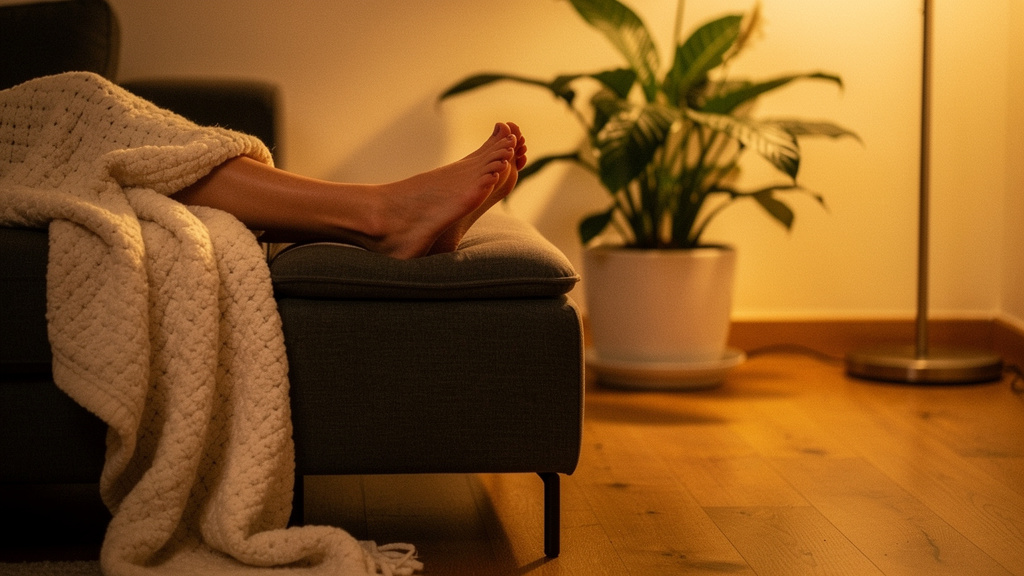
The body is the base for every other change. Even the best stress management techniques will feel weak if sleep is poor, meals are chaotic, and movement is rare. Treating physical health as optional makes stress hit harder and last longer.
Key physical habits that support stress resilience include:
-
Regular movement: Exercise is one of the most proven stress management techniques. Movement helps release endorphins that lift mood and lower the level of stress hormones. For busy teachers and business owners, this does not have to mean long gym sessions. A 20-minute walk at lunch, an evening bike ride, or dancing in the living room still counts.
-
Mindful movement: Paying attention to breathing, footfalls, or how muscles feel during a walk or stretch shifts focus away from worry. This simple twist turns exercise into two stress management techniques at once, helping both body and mind at the same time.
-
Supportive food choices: A steady stream of processed snacks, sugary drinks, and heavy caffeine creates energy crashes that make it harder to use other stress management techniques. Building meals around fruits, vegetables, whole grains, and lean proteins supports steady blood sugar and clearer thinking. Cutting back on coffee and energy drinks often improves sleep and mood more than people expect.
-
Consistent sleep: Sleep is where the body repairs the wear and tear of the day. Adults usually need seven to nine hours, yet stress often pushes that number down. Good sleep habits are powerful stress management techniques by themselves. Going to bed at a regular time, keeping the bedroom cool and dark, turning off screens an hour before sleep, and having a simple wind-down routine all tell the brain it is time to rest.
This is where Escalone can quietly support all of these habits. The 2-in-1 Heated Foot and Leg Massager With Shiatsu and Air Compression works as an evening ritual that signals to the body that work is done. Warmth and gentle pressure ease the feet and calves after long hours of standing or walking, making it easier for other stress management techniques, like deep breathing, to work. The Full Body 3D Massage Chair With Thai Stretch and Zero Gravity gives a deeper reset, loosening tight muscles and taking pressure off the spine so the whole system can settle. Together, these tools help turn physical self-care from a wish into a realistic, daily practice.
Mind-Body Techniques That Activate Your Relaxation Response
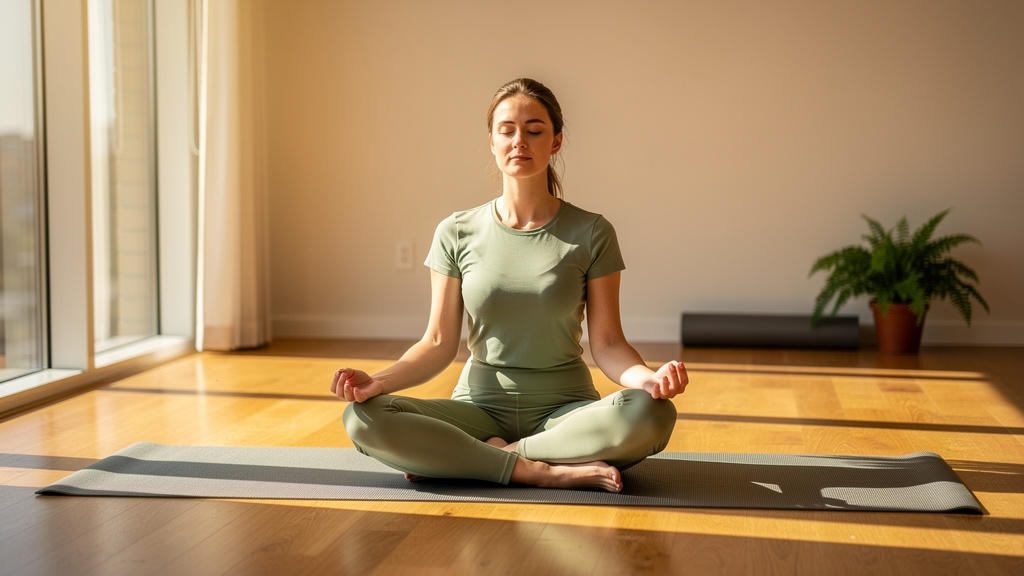
When stress hits, the body shifts into fight-or-flight. To balance that, certain stress management techniques trigger the opposite state, sometimes called the relaxation response. In this calmer mode, heart rate slows, breathing deepens, and muscles release.
Meditation and mindfulness are simple ways to reach this state. At its core, meditation is just focused attention. It might mean watching the breath, repeating a calming word, or listening closely to sounds. Many stress management techniques start with something as small as paying attention to the air moving in and out for a few minutes.
A very short breathing exercise works like this:
-
Sit comfortably and close the eyes or lower the gaze.
-
Breathe in through the nose for four counts.
-
Hold the breath gently for seven counts.
-
Breathe out slowly for eight counts.
-
Repeat this cycle for about five minutes.
This kind of practice fits nicely between classes, before a meeting, or in a quiet office, and it pairs well with other stress management techniques like journaling or stretching.
Yoga blends gentle movement with breathing and focus. Even ten to fifteen minutes of slow stretches at home can release tight hips, backs, and shoulders. Hatha yoga, with its calm pace, is especially friendly for beginners. Used regularly, it becomes one of the most pleasant stress management techniques, because it feels good in both mind and body.
Progressive muscle relaxation is another easy option. Starting at the toes and moving upward, tense each muscle group for a few seconds, then release. Notice the difference between tight and loose. This teaches the body how to let go, which supports many other stress management techniques.
Journaling also plays a role here, beyond tracking triggers. A brain dump session—writing down every worry or thought without editing—gives the mind a safe place to unload. That emptying out makes room for calmer thoughts and supports all of the other stress management techniques in this article.
“You can’t stop the waves, but you can learn to surf.”
— Jon Kabat-Zinn
To deepen these practices, Escalone’s Handheld Pressure Point Therapy Neck Massager can be used while meditating or after yoga. Gently working on tight spots along the neck and shoulders helps the body receive relaxation cues more clearly. When physical knots release, mental knots tend to loosen too, making mind-body stress management techniques far more effective.
Create A Stress-Free Home Sanctuary With Escalone’s Relaxation Tools
Home should feel like a soft landing, not just another noisy, stressful place. Even the most thoughtful stress management techniques lose power if there is nowhere to unwind at the end of the day. Turning a corner of the living room or bedroom into a calm spot gives the body a clear message that it is safe to rest.
Mental strategies are powerful, yet physical tension often needs direct, physical care. Tight shoulders, aching feet, and a sore back keep the nervous system on alert, no matter how positive the thinking. Escalone focuses on products that ease that tension, so stress management techniques can do their job.
The Handheld Pressure Point Therapy Neck Massager is ideal for teachers bent over lesson plans and business owners who hunch over laptops. Its design lets someone press into tight muscles along the neck, shoulders, and upper back with just the right amount of pressure. Because it is lightweight and portable, it fits into a desk drawer, break room, or couch corner. Used for ten minutes after a hard day, it becomes one of the fastest, easiest stress management techniques for releasing stored tension.
The 2-in-1 Heated Foot and Leg Massager With Shiatsu and Air Compression turns tired feet and calves into a relaxed, warm base for the whole body. After hours of walking classrooms, standing at events, or moving around a shop, this tool uses gentle air pressure and deep-kneading massage to bring relief. It also doubles as a stylish ottoman, blending into the room instead of adding clutter. Many people pair it with quiet reading, a favorite show, or breathing exercises, which stacks several stress management techniques together with almost no extra effort.
For those ready for a deeper reset, the Full Body 3D Massage Chair With Thai Stretch and Zero Gravity feels like bringing a spa session home. Smart rollers follow the body’s shape, an air massage system works on arms and legs, and the zero-gravity position eases pressure along the spine. Regular use can turn Sunday afternoons or late evenings into full recovery time, giving space for reflection, gratitude lists, or other stress management techniques.
Escalone supports these products with customer-friendly policies such as prompt US shipping, helpful support, and a 60-day money-back guarantee, so trying them carries little risk. In a market full of trendy items, these pieces stand out by pairing style with real stress relief and frequent discounts that can reach up to 50 percent. When combined with daily stress management techniques, they help turn an ordinary home into a true personal sanctuary.
Use Social Support: Why Connection Is Essential For Stress Management

When stress rises, many people pull away from others. They cancel plans, close their classroom doors, or stop answering messages. While this feels easier in the moment, it works against most stress management techniques, because isolation keeps worries spinning in the mind.
Face-to-face connection changes the body’s chemistry. A kind conversation, shared laugh, or honest talk can release oxytocin and other “feel-good” chemicals that calm the stress response. This is why strong relationships are often called natural stress management techniques, even if the people involved never talk about stress directly.
For educators, support might come from a trusted coworker, a mentor teacher, or a small group that meets after school to share ideas and vent safely. For small business owners, it could be a local networking group, a mastermind circle, or a regular call with another owner who understands the grind. These settings create space to talk through problems, share stress management techniques, and remind each other that no one is facing these pressures alone.
“Connection is why we’re here; it is what gives purpose and meaning to our lives.”
— Brené Brown
Being honest about feeling tired or overwhelmed does not make someone weak or needy. It shows courage and often deepens bonds. Simple habits like a weekly coffee date, a standing video call with a long-distance friend, or a monthly family dinner work as gentle but steady stress management techniques. Even short chats with a barista, neighbor, or office staff member add small sparks of connection that help the nervous system relax.
At the same time, healthy boundaries matter. You can care for others and still protect time for rest. When social life supports well-being instead of draining it, it becomes one of the most reliable stress management techniques in everyday life.
Conclusion
Stress will always be part of life, especially for people who teach, lead teams, or run their own businesses. Yet constant overload does not have to be the norm. With the right mix of stress management techniques, that heavy weight can start to feel lighter and more manageable.
This guide walked through key steps, from spotting personal triggers and using the 4 A’s, to building strong physical habits, practicing mind-body tools, caring for the home environment, and leaning on real human connection. When these stress management techniques are practiced regularly, they turn scattered coping into a clear plan.
Change does not happen overnight. Small, steady shifts—five minutes of breathing, a short walk, saying “no” once, using a massager after work—stack up over time. Investing in personal calm is not selfish; it protects health, relationships, and work performance. Choosing even one new stress management technique today, and pairing it with Escalone’s relaxation products if it feels right, can be the first step toward a calmer, more focused life that still gets things done.
FAQs
Question 1: How Long Does It Take To See Results From Stress Management Techniques?
Some stress management techniques work right away. A short walk, a few minutes of deep breathing, or a quick neck massage can lower tension in the moment. Others, like meditation, journaling, or better sleep habits, build their power over several weeks. Physical changes from regular exercise usually show up in mood and energy within a month. Mental shifts from reframing thoughts may take longer, but they are worth the effort. Keeping a simple journal helps track these changes so small wins are easier to see.
Question 2: Can Stress Management Techniques Really Help With Work-Related Burnout?
Stress management techniques are very helpful for easing daily strain, but burnout is a deeper state where exhaustion, cynicism, and lower performance all show up together. Regular movement, better sleep, and clear boundaries can prevent burnout from developing in the first place. If burnout signs are already strong, self-care and stress management techniques are still important, but more help is often needed. That might mean talking with a supervisor, changing workload, or seeking professional counseling. In some cases, workplace systems themselves need to shift, not just personal habits.
Question 3: What Is The Best Stress Management Technique For Someone With A Very Busy Schedule?
For packed days, micro-practices are the most realistic stress management techniques. Helpful options include:
-
Taking two minutes of slow breathing between meetings
-
Using the stairs instead of the elevator when possible
-
Turning one check-in into a short walking meeting
-
Using a foot or neck massager while watching a show in the evening
-
Writing in a journal for five minutes before bed
Often “I don’t have time” really means stress care is not yet a priority, so treating these tiny steps as essential health habits makes a big difference.
Question 4: Are Massage Products Like Those From Escalone Actually Effective For Stress Relief Or Just Temporary Comfort?
Massage has strong science behind it. Studies show it can lower cortisol, the main stress hormone, and raise serotonin and dopamine, which support good mood. Physical tension and mental stress feed each other, so easing tight muscles interrupts that loop. Used once, products from Escalone may feel like pleasant comfort. Used regularly, they become part of a larger set of stress management techniques that help the nervous system calm down more quickly. With adjustable settings and a 60-day money-back guarantee, they offer a practical way to test how much hands-on relaxation can support daily life.













Leave a comment