

Car Battery Replacement Guide for Fleets

Introduction
Picture a Monday morning when a school bus full of students never leaves the lot or a delivery van will not start just as a big order is due. One small part fails, and a whole schedule falls apart. That part is the battery, and staying ahead on car battery replacement can mean the difference between a calm day and a crisis.
For organizations that rely on vehicles, car battery replacement is more than another repair bill. It protects safety, schedules, and revenue. When one weak battery stops a bus, shuttle, or work truck, classes run late, customers get annoyed, and staff lose hours waiting for roadside help.
This guide explains how car batteries work, how long they last, and the warning signs that show it is time for a new one. It covers different battery types, how to choose the right match, when do it yourself work makes sense, when to call a professional, how costs break down, which habits extend battery life, and why recycling matters.
By the end, fleet managers, office managers, and operations leads can plan car battery replacement instead of reacting to failures. That means fewer surprises, smoother routes, and better use of tight budgets for both educational institutions and small businesses.
What Is Car Battery Replacement and Why Does It Matter?
Car battery replacement is the process of removing a weak or failing battery and installing a new one so the vehicle starts and runs as it should. That one step restores the power source that wakes up every other system. Without it, even a new van or bus is not going anywhere.
A standard lead-acid battery has a tough plastic case filled with lead plates and a mix of water and sulfuric acid. When the key turns, a chemical reaction between the plates and liquid creates electrical energy. The battery sends a strong burst of power to the starter motor and supports lights, radios, cameras, and other electronics when the engine is off or the alternator is under extra load.
Over time, the chemical material inside breaks down. Plates corrode, the acid mix changes, and the battery can no longer hold or deliver enough charge. That happens even with careful use, so every vehicle will need car battery replacement at some point. No amount of careful driving can stop chemistry from aging.
For schools and small businesses, a dead battery does more than stall one car. It can cancel a field trip, delay a service call, or turn a key client delivery into a headache. In newer vehicles with more computers and safety systems, fitting the correct battery and installing it the right way is even more important, because a poor match can damage sensitive electronics and shorten battery life.
How Long Do Car Batteries Typically Last?
Most car batteries last around three to five years, though New Data: How Long shows that modern electric vehicle battery technology is pushing longevity boundaries even further in newer automotive applications. Many work well right up until they fail, which is why car battery replacement often feels sudden. For a fleet, that pattern can cause clusters of breakdowns if several vehicles were bought at the same time and still have their original batteries.
Battery life depends heavily on where and how vehicles are used. Temperature, parking conditions, and driving patterns all change how fast the chemistry inside the battery ages. Understanding these factors helps managers decide when to schedule testing and when to plan car battery replacement across the fleet instead of waiting for random failures.
Climate and Operating Conditions
Temperature has a strong effect on battery life:
-
In hot areas, heat speeds up the chemical reactions inside the battery, and research on optimizing battery health monitoring shows that temperature management is critical for extending service life in fleet applications. Liquid evaporates faster and the lead plates corrode sooner, so vehicles that sit in open lots or near hot walls often need car battery replacement closer to the three-year mark.
-
In cold weather, a battery produces less power just when a thick, cold engine needs more power to turn over. A battery that seemed fine in the fall may struggle during early morning winter starts. Often the real damage happened during the summer heat, and the cold simply exposes the weakness.
-
Fleets in southern states often see shorter battery lifespans because of steady heat, while fleets in mild coastal areas may see four or even five years. Places with very hot summers and freezing winters put stress on batteries from both directions in a single year.
Vehicle Usage Patterns
How vehicles are driven matters almost as much as climate.
-
Frequent short trips: Local delivery routes or campus shuttles that stop often are hard on batteries. Each start uses a burst of power, and a short drive does not give the alternator enough time to recharge fully. Over time, this pattern leaves the battery undercharged and speeds up wear.
-
Long idle periods: Seasonal buses parked over summer break or box trucks that only move during busy seasons slowly drain their batteries even when they are off. Modern vehicles draw small amounts of power for alarms, tracking devices, and computers. Weeks without a maintainer can cause deep discharge damage and earlier car battery replacement.
-
High electrical loads: Refrigerated vans, vehicles with multiple radios and tablets, or shuttles with large screens and charging ports all ask more from the battery. Newer fleet vehicles with start-stop systems add thousands of engine restarts every year. These vehicles need stronger EFB or AGM batteries, and using the right type helps avoid repeated failures.
Warning Signs Your Vehicle Needs a Battery Replacement
Batteries rarely fail at a good time, but they often give clear clues first. Turning those clues into a simple checklist helps drivers and staff schedule car battery replacement before a vehicle ends up on a tow truck.
A short daily walk-around or startup check takes only a few minutes. When staff know what to look and listen for, they can spot weak batteries while the vehicle is still in the yard and avoid emergency roadside calls and missed routes.
Starting and Performance Issues
The first warning signs usually show up when the driver turns the key. Common symptoms include:
-
Slow, dragging cranking instead of a quick, smooth start
-
A rapid clicking sound when the key is turned
-
A vehicle that starts fine some days and struggles on others, especially cold mornings
-
Headlights or interior lights that dim sharply during starting or flicker at idle
-
A battery icon or charging system warning on the dashboard
If drivers report that a bus or van sounds tired when cranking, the battery should be tested soon. Catching these signs early allows planned car battery replacement instead of a breakdown in a parking lot or at the side of the road.
Physical and Visual Indicators
Not all battery problems show up as sounds or lights. A simple visual check under the hood can reveal a lot:
-
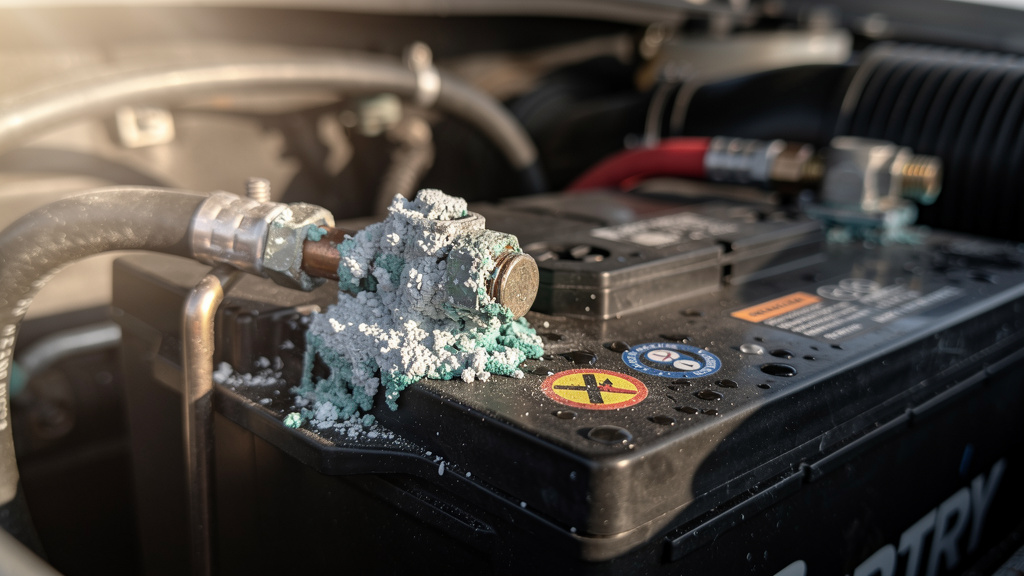
Corrosion: Powdery white, blue, or green buildup on the battery posts signals corrosion. It blocks the flow of electricity and can make a good battery act weak. Heavy or repeated corrosion often points to a battery that is near the end of its life.
-
Damage or leaks: A swollen or bulging case suggests the battery overheated or froze, which can damage internal parts. Cracks or wet spots around the case mean acid may be leaking, and the battery should be replaced right away for safety—procedures detailed in the Document Library: Battery Safety resources that provide comprehensive handling guidelines. Staff should use gloves and eye protection when handling batteries.
-
Age: Most batteries have a small code with a letter for the month and a number for the year. A code of D3 means April 2023, for example. Once a battery is four or five years old, failure becomes much more likely. For vehicles at that age, regular testing and planned car battery replacement make far more sense than waiting for a surprise.
Many organizations add a simple battery check to their inspection forms so these issues are caught while the vehicle is still in the yard.
Types of Car Batteries Which One Does Your Fleet Need?
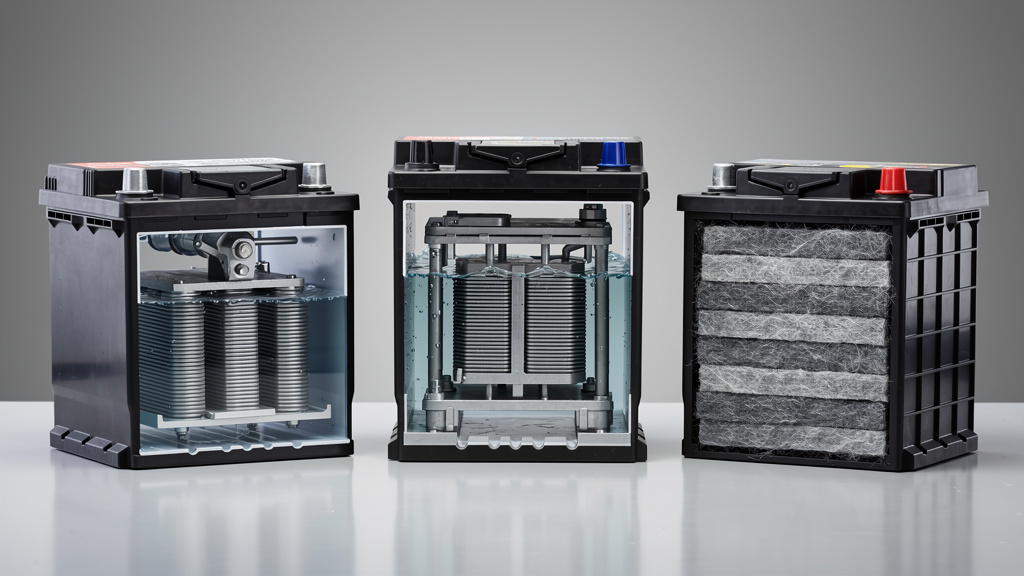
Not every battery fits every vehicle or use case. Picking the wrong type to save a little money often leads to repeat failures and extra labor. For reliable car battery replacement, it helps to understand the three main battery categories found in most fleets and which vehicles match each style.
Choosing the correct type also protects vehicle warranties. Many modern models are designed around specific battery technology. Downgrading to a cheaper style can shorten battery life, cause charging problems, and create conflicts with warranty terms, even if the battery physically fits.
Conventional Flooded Lead-Acid Batteries
Conventional flooded lead-acid batteries are the long-standing standard. Inside the case, lead plates sit in liquid electrolyte that moves freely. This design works well for older vehicles with simple electrical systems and few extra devices. For fleets with basic work trucks, older delivery vans, or seasonal equipment, these batteries often provide enough performance at a lower price.
They are usually the least expensive option for car battery replacement, often landing in the one hundred to two hundred dollar range per unit. Many modern flooded batteries are labeled maintenance free, although some older designs still allow water level checks. They are sensitive to deep discharges, so vehicles that sit for long periods or run heavy electronics with the engine off may wear them out faster.
Enhanced Flooded Batteries EFB
Enhanced flooded batteries (EFB) are upgraded versions of the traditional flooded style. They use stronger internal materials and improved designs to handle more start cycles and deeper discharges. That makes them a good match for vehicles with start-stop systems that turn the engine off at red lights and restart many times per trip.
EFB batteries usually cost more than basic flooded batteries but less than premium AGM units. For many fleets with newer vans and light trucks built after around 2015, they are the recommended or required type. Using EFB where the manufacturer calls for it gives the vehicle a battery built for its workload instead of pushing a basic design beyond its limits.
Absorbent Glass Mat AGM Batteries
Absorbent glass mat (AGM) batteries sit at the top end of lead-acid technology. In these designs, the electrolyte is soaked into thin glass mats between the plates instead of sloshing as a liquid. This makes the battery spill proof and very resistant to vibration, which is helpful for rough roads and larger trucks.
AGM batteries handle high electrical loads, repeated deep discharges, and frequent engine restarts better than other lead-acid types. They often last longer in demanding use, although their purchase price is higher. Many premium cars, heavier vans with a lot of electronics, vehicles with advanced safety systems, and some start-stop models require AGM from the factory. For those vehicles, choosing AGM again during car battery replacement is not optional if the fleet wants steady performance.
How to Choose the Right Replacement Battery for Your Vehicles
Battery racks at parts stores can look confusing, with rows of similar black cases labeled with numbers and codes. For smart car battery replacement across a fleet, it helps to focus on a few key details instead of the whole wall of options. The goal is to match each vehicle with a battery that fits, meets its power needs, and fits the budget.
A simple checklist works well: confirm the correct battery type, match the main specs on the label to the owner manual or fitment guide, and check freshness and warranty terms. That steady method turns car battery replacement from a guessing game into a repeatable process any manager or technician can follow.
Understanding Battery Specifications
Three main numbers on the battery label matter most:
-
BCI Group Size: This describes the physical size of the battery and where the terminals sit on the case. Common group sizes include 24, 35, 48, and 65. If the wrong size is used, the battery may not fit the tray or the cables may stretch, so this match is essential.
-
Cold Cranking Amps (CCA): CCA shows how much starting power the battery can deliver in cold conditions. Vehicles that start early in the morning, work in northern states, or crank large engines need enough CCA to match or exceed the maker’s recommendation. Fleets should avoid going below the original CCA rating.
-
Reserve Capacity (RC): RC shows how long the battery can power essential systems if the alternator stops charging. A higher RC gives drivers more time to reach a safe place instead of waiting on the shoulder for a tow truck.
Checking the owner manual or trusted online fitment tools for these specs before buying makes each car battery replacement smoother and more predictable.
Battery Freshness and Quality Indicators
Batteries begin aging from the day they are made, not the day they are sold. When planning car battery replacement, managers should always check how fresh a unit is. A small code on the case usually shows this information: the letter marks the month and the number marks the year (for example, C4 means March 2024). As a simple rule, aim for batteries that are less than six months old.
Warranty terms offer another view into quality. Many batteries come with a free replacement period, often between two and three years, followed by a prorated phase that offers partial credit if the battery fails later. A longer free replacement period often suggests better materials and design and adds comfort for fleet buyers.
Suppliers also matter, and organizations like Automotive Cells Company: Homepage demonstrate how dedicated battery manufacturers are advancing quality standards across the automotive industry. Escalone focuses on quality, fair prices, and strong customer support across its power and automotive-related products. Working with a seller that ships fresh stock, offers fast delivery, and backs purchases with a clear money-back guarantee makes ordering batteries and related gear for school or business vehicles far less stressful.
Car Battery Replacement Options For DIY vs Professional Service
Once a weak battery has been identified, the next choice is who will change it. Some organizations have staff who are comfortable turning wrenches and can handle simple car battery replacement in house. Others prefer to call a shop or mobile service that brings the battery and tools to the vehicle.
The right choice often comes down to safety, time, and the age of the fleet. Older vehicles with simple layouts suit do it yourself work. Newer models with many computers, tight spaces, and hidden battery locations often fit better with professional help.
When DIY Replacement Makes Sense
Do it yourself car battery replacement makes sense when vehicles are older and the batteries are easy to reach under the hood. With a basic tool set, gloves, and safety glasses, a handy maintenance worker can handle the job:
-
Turn the ignition off and open the hood.
-
Disconnect the negative terminal, then the positive terminal.
-
Remove the hold-down bracket and lift out the old battery.
-
Place the new battery in the tray and secure the hold-down.
-
Reconnect the positive cable, then the negative cable, and check that everything is snug.
This approach saves labor fees, which can add up over many vehicles. Still, batteries are heavy and contain acid, so staff should lift carefully, avoid touching any residue with bare skin, and tighten cables firmly but not excessively.
DIY work has limits. Most schools and small businesses do not own professional diagnostic tools to test charging systems or the software needed to register new batteries in late-model vehicles. For fleets with many complex vehicles, in-house car battery replacement is best reserved for simpler units, while newer models go to professionals.
Benefits of Professional Battery Replacement
Professional car battery replacement brings more than a fresh battery. Many shops and mobile services begin by testing both the battery and the charging system. That extra check can catch failing alternators or bad connections that might otherwise kill the new battery in a few weeks and helps explain why a battery died early.
Modern vehicles often hide their batteries under seats, behind trunk panels, or deep inside the engine bay. Reaching these spots safely can require special tools and careful disassembly of interior trim. Professional technicians deal with these designs every day and know how to remove and reinstall parts without damage. They also handle heavy lifting and acid risk, which keeps staff safer.
Another important benefit is battery registration. Many vehicles built after about 2015 need a computer update when a new battery is installed. Without that step, the charging system may treat the new battery as if it were the old worn one, which can shorten its life. Professional shops use scan tools to register batteries quickly. For fleets that want trouble-free car battery replacement and clean warranty records, that expertise often justifies the higher upfront cost.
Understanding Car Battery Replacement Costs and Budgeting
Battery failures feel random when each one is handled as an emergency. With a bit of planning, car battery replacement becomes a predictable line in the budget instead of a surprise. Knowing the main cost pieces makes it easier for schools and businesses to decide how much to set aside each year.
Total cost includes more than the battery on the invoice. Labor, core charges, difficult access, and registration work all affect the final number. When managers understand these factors, they can make better choices about DIY work, service providers, and the mix of batteries they buy.
Cost Components Breakdown
Key pieces of a typical car battery replacement bill include:
-
Battery Price: Conventional flooded batteries often cost between one hundred and two hundred dollars. EFB batteries usually sit in the middle range, while AGM units for high-demand vehicles can reach the higher end but often last longer.
-
Labor Costs: Some retailers install simple under-hood batteries at no charge. Independent shops and dealers charge for their time, often between fifty and one hundred fifty dollars, depending on how hard the battery is to reach. Batteries under seats or behind panels may add difficult-access fees.
-
Core Charge and Extras: Most invoices include a core charge, often around twenty dollars, refunded when the old battery is returned for recycling. Newer vehicles that need computer registration add another charge for that work.
When all these items are added together, a basic van might cost around one hundred twenty to one hundred seventy dollars for car battery replacement, while a complex vehicle with an AGM battery and registration can reach four hundred dollars or more.
Strategies for Fleet Cost Management
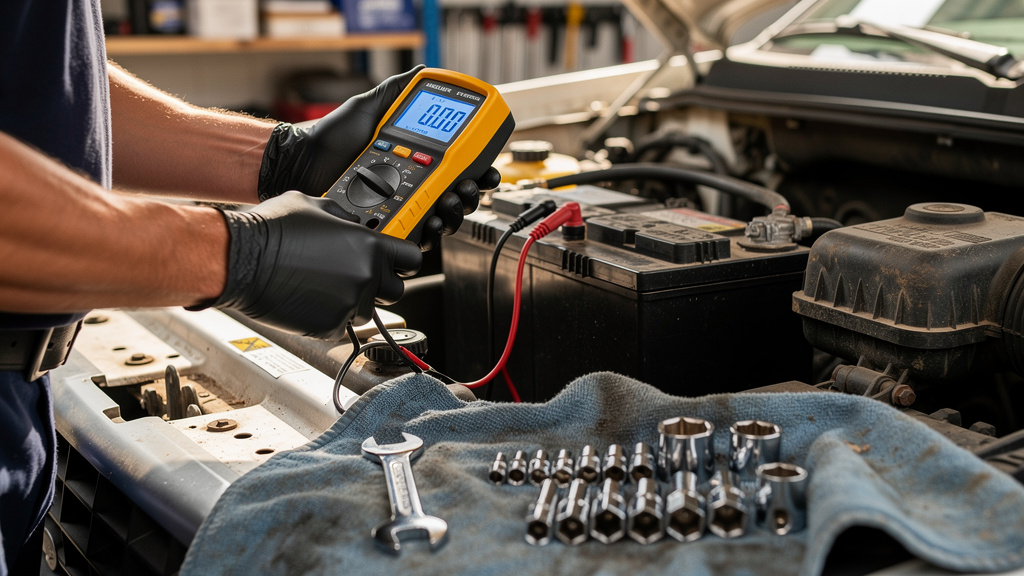
Good planning can bring car battery replacement costs down over time. Helpful steps include:
-
Schedule regular tests: Add battery and charging system checks to the maintenance calendar, at least once a year or before harsh seasons. Weak batteries can be changed on quiet days instead of during emergency breakdowns.
-
Track installation dates: Keep a simple record or note in maintenance software with the date, brand, and type of each battery. Once units reach three to five years, plan replacements during school breaks or slower business periods.
“You either schedule maintenance, or maintenance will schedule you.” — Common fleet management saying
-
Buy in batches: Many suppliers offer discounts and stronger warranties for fleet orders. Escalone, for example, focuses on giving business buyers clear value, fast shipping, and strong guarantees, which makes planning and bulk ordering far easier.
-
Train drivers: Encourage drivers to report slow starts, dim lights, or warning icons right away so problems are caught early.
Together, these habits reduce surprise failures and spread car battery replacement spending more evenly through the year.
Extending Battery Life With Maintenance Best Practices
Every battery will wear out one day, but simple habits can push that day further into the future. When fleets follow a few steady rules, they see fewer surprise failures and less frequent car battery replacement.
A good starting point is regular visual checks. During oil changes or scheduled services, technicians can look at battery terminals, hold-down brackets, and wiring. Spotting looseness, frayed cables, or corrosion early prevents small problems from turning into starting failures.
Keeping terminals clean is one of the easiest and most effective steps. If staff see white or green crust around the posts, they can remove the cables and gently clean the area with a mix of baking soda and water, then rinse and dry it. After cleaning, a light coat of dielectric grease or an anti-corrosion spray helps slow future buildup. Tight connections and a snug hold-down bracket protect the battery from vibration.
Driving and storage practices matter as well. Vehicles that only run short hops benefit when routes are combined, giving the alternator time to recharge the battery fully. For buses and trucks that sit for weeks, small battery maintainers keep the charge level steady and prevent deep discharge damage. Including alternator and charging system checks in regular inspections rounds out this routine.
“Take care of your car in the garage, and the car will take care of you on the road.” — Amit Kalantri
Environmental Responsibility For Battery Recycling and Disposal
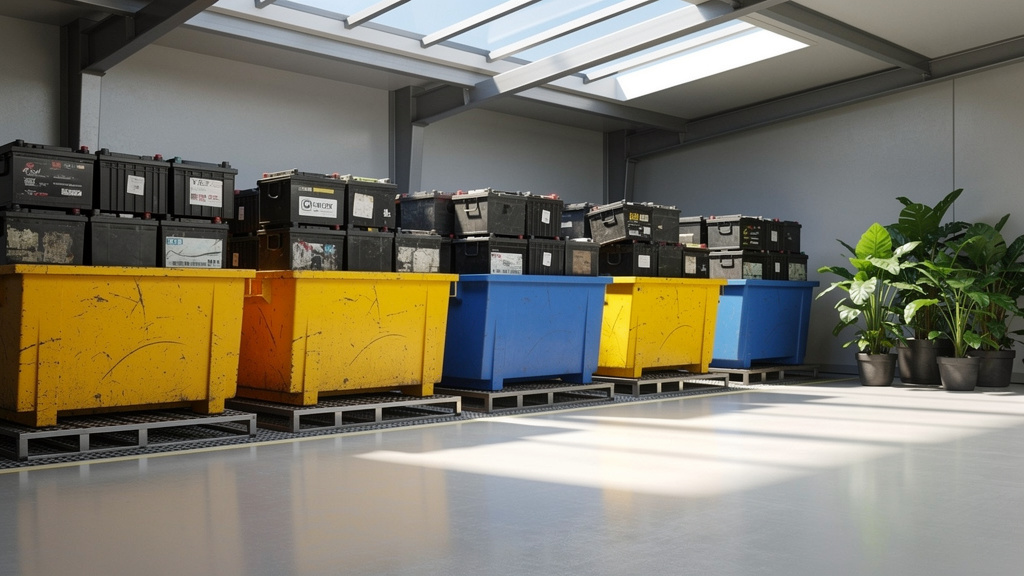
Lead-acid batteries are among the most recycled products in the world, and for good reason. Each case holds several pounds of lead and strong acid, both of which can cause serious harm if they reach soil or water. When organizations handle old batteries correctly, they protect the environment and show that they take community health seriously.
The battery recycling process is well developed. At specialized facilities, old batteries are broken apart so the materials can be reused. The lead is melted down and formed into new plates. The plastic cases are cleaned, ground up, and molded into new parts. The acid is either neutralized into a safe compound or used again in new batteries, so very little goes to waste.
Core charges on new batteries support this recycling loop by giving people a clear reason to return the old unit. When planning car battery replacement, schools and small businesses should always return spent batteries to the point of sale or a local parts store rather than putting them in general trash. Professional shops and mobile services handle this step automatically, but DIY programs should also build in proper disposal through local recycling programs or simple agreements with nearby retailers.
Conclusion
Car battery replacement does not have to be a last-minute scramble. Once organizations understand how batteries work, how long they tend to last, and what warning signs to watch for, replacements become a normal part of the maintenance plan instead of a surprise breakdown.
Effective battery management rests on three simple ideas:
-
Match each vehicle with the right battery type and specifications.
-
Catch problems early by listening for slow cranks, looking for corrosion, and testing older batteries.
-
Treat quality batteries as an investment that supports the wider vehicle fleet, rather than as a place to always choose the cheapest option.
For educational institutions and small businesses, reliable transportation is closely tied to reputation. Missed routes and delayed deliveries quickly damage trust. By planning ahead, tracking battery ages, and working with supportive suppliers such as Escalone, managers can keep their vehicles ready without straining budgets. With the ideas in this guide, they can approach car battery replacement with confidence, reduce surprises, and keep their operations running on time.
FAQs
A few common questions come up whenever teams start to focus more on car battery replacement. Clear answers help drivers, office staff, and managers speak the same language and make better choices together.
Question 1 How Do I Know If My Car Needs a New Battery or If It Is an Alternator Problem?
Both a weak battery and a failing alternator can cause starting trouble, which makes them easy to mix up. If the vehicle will not start but the lights and radio still work fairly well, the battery is often the main suspect. When everything is totally dead, the battery is more likely to be fully discharged or worn out.
One quick check is to jump start the vehicle. If it starts with a jump and then keeps running and restarting normally for the rest of the day, car battery replacement is usually needed. If it dies soon after the jumper cables are removed, the alternator may not be charging the battery. Because both parts can fail together, it is wise to have a shop run a simple charging system test before deciding what to replace.
Question 2 Can I Replace an AGM Battery With a Standard Flooded Battery to Save Money?
It is not a good idea to install a basic flooded battery in a vehicle that came with an AGM battery from the factory. The charging system in that vehicle was designed around AGM behavior, and a weaker battery type will not handle the same workload. In many cases, the cheaper battery fails in a year or less, which means more frequent car battery replacement and extra labor.
Using the wrong battery type can also create warranty issues. Vehicle makers often state that AGM or EFB batteries must be used when those types were original equipment. While the lower price of a standard flooded battery can look appealing at first glance, over a few years it usually costs more than simply buying the correct AGM battery once and pairing it with good maintenance.
Question 3 How Often Should Fleet Vehicles Have Their Batteries Tested?
For fleet vehicles, a simple yearly battery test is a smart habit once the battery is three years old. Adding this check to regular service visits gives the team a clear view of which vehicles are getting close to needing car battery replacement. In very hot or very cold regions, some managers test in spring and fall to spot weather-related stress early.
Testing is quick and usually free at many service centers and parts stores. A handheld tester measures voltage, cold cranking amps, and sometimes alternator output in just a few minutes. That small time investment prevents many roadside failures by finding batteries that are still starting the engine today but are running out of reserve strength.
Question 4 What Is Battery Registration and Does My Vehicle Need It?
Battery registration is a short computer process that tells the vehicle’s control module a new battery has been installed. Many modern vehicles, especially those with advanced electronics or start-stop systems, track the age and condition of the battery and adjust charging patterns as it wears. When a new battery is installed, that tracking needs to be reset so the system does not overcharge or undercharge the fresh unit.
Vehicles built in recent years, especially many European brands and some higher-end domestic models, often require this step. Registration is done with a scan tool connected to the car’s diagnostic port and usually takes only a few minutes. While there is a fee for this service, it protects the new battery and supports trouble-free car battery replacement. Skipping it can shorten battery life and may trigger warning lights or charging problems.
Question 5 Are Aftermarket Batteries as Good as OEM Batteries From the Dealership?
Many aftermarket batteries come from the same large manufacturers that supply dealerships, just with different labels and price tags. When the correct type, group size, and performance ratings are chosen, an aftermarket battery can match or even beat the original part. These batteries often cost less than dealer parts while offering similar or better warranty terms, which helps control car battery replacement expenses.
The key is to buy from a trusted source. Look for clear labeling, strong warranty support, and good customer service. Partners such as Escalone focus on quality products and easy returns, which gives both schools and small businesses added comfort when ordering. By matching specifications carefully and working with reliable suppliers, fleets can use aftermarket batteries with confidence and keep their vehicles starting strong every day.













Leave a comment